
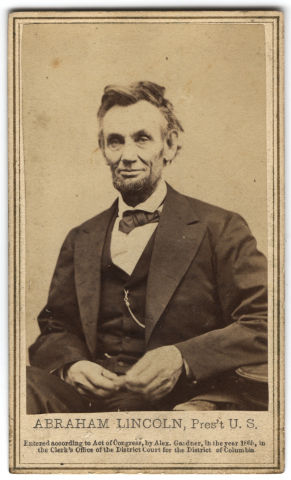
Abraham Lincoln in Korea
by Brian DirckAbraham Lincoln in Korea By Brian Dirck, Anderson University In early 2019 I received an invitation to deliver a speech about Abraham Lincoln in Seoul, South Korea. I was initially taken aback. Abraham Lincoln? In South Korea? In retrospect this should not have been a surprise; Lincoln is a major American global export. There are […]
Read More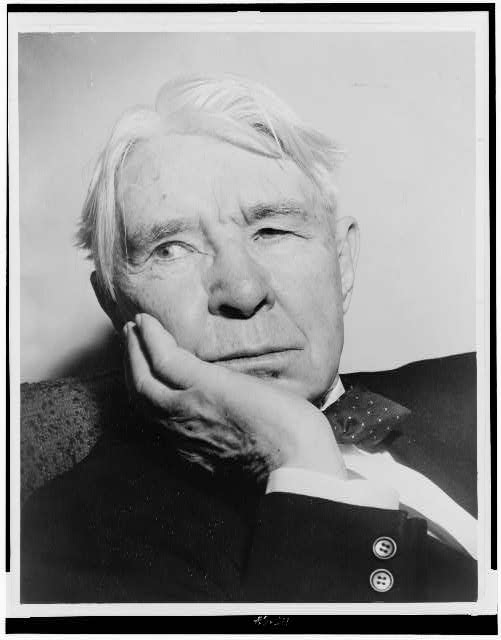
History Through A Poet’s Eyes
by Harold HolzerHISTORY THROUGH A POET’S EYES Carl Sandburg’s books on Abraham Lincoln, far from traditional biography, remain unmatched for their vivid combination of mood, incident, and epochal sweep By HAROLD HOLZER The “elusive Lincoln is a challenge for any artist.” So the poet, troubadour, journalist, and political activist Carl Sandburg declared (in combination warning and boast) […]
Read More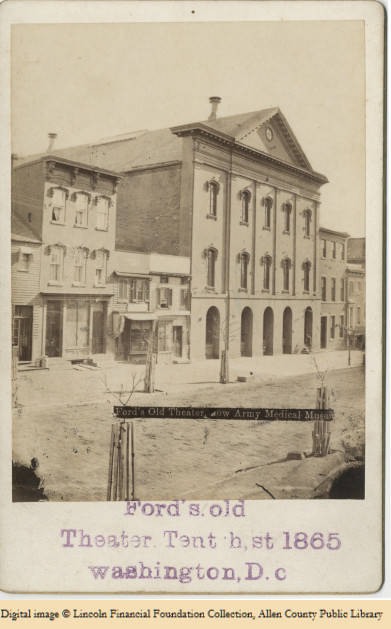
Lincoln’s First Responder- Dr. Charles Augustus Leale
by E. Lawrence AbelApril 14, 1865, was a pleasant day in Washington, a welcome change from the rainy weather that had turned Washington’s streets into mud. The dogwood trees were in full bloom, their pleasant scent wafted through the air. The sky was clear throughout most of the day, turning partly cloudy in the evening. By 8:30 p.m. […]
Read More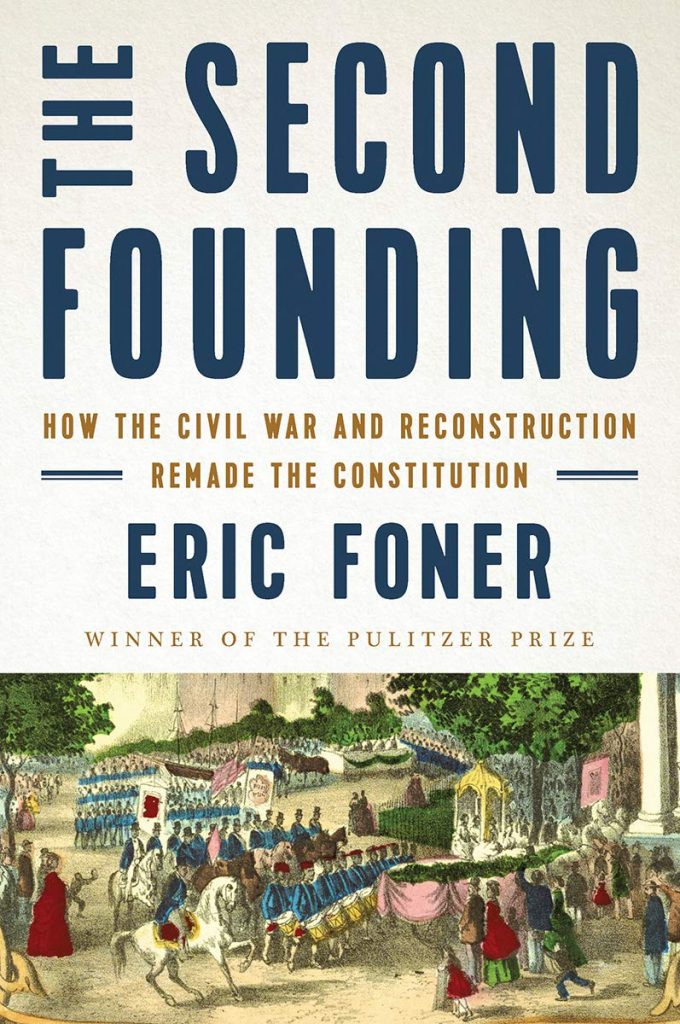
An Interview with Eric Foner about his new book: The Second Founding: How the Civil War and Reconstruction Remade the Constitution
by Eric Foner, Sara GabbardSara Gabbard: Please explain the significance of the fact that “Congress shall have power to enforce this article by appropriate legislation” was added to the 13th, 14th, and 15th Amendments. Eric Foner: The fact that each of the Reconstruction amendments ends with a section empowering Congress to enforce its provisions illustrates the radical change in […]
Read More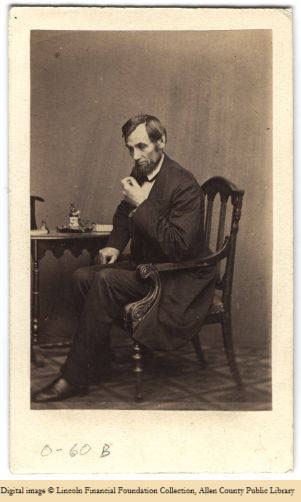
Lincoln’s Clemency: The Policy Limits
by Burrus M. CarnahanAbraham Lincoln has a well-deserved reputation as a merciful man who liberally exercised his presidential pardoning power. John Hay was “amused at the eagerness with which the President caught at any fact which would justify him in saving the life” of a condemned man.[1] Judge Advocate General Joseph Holt, his chief advisor on military trials, […]
Read More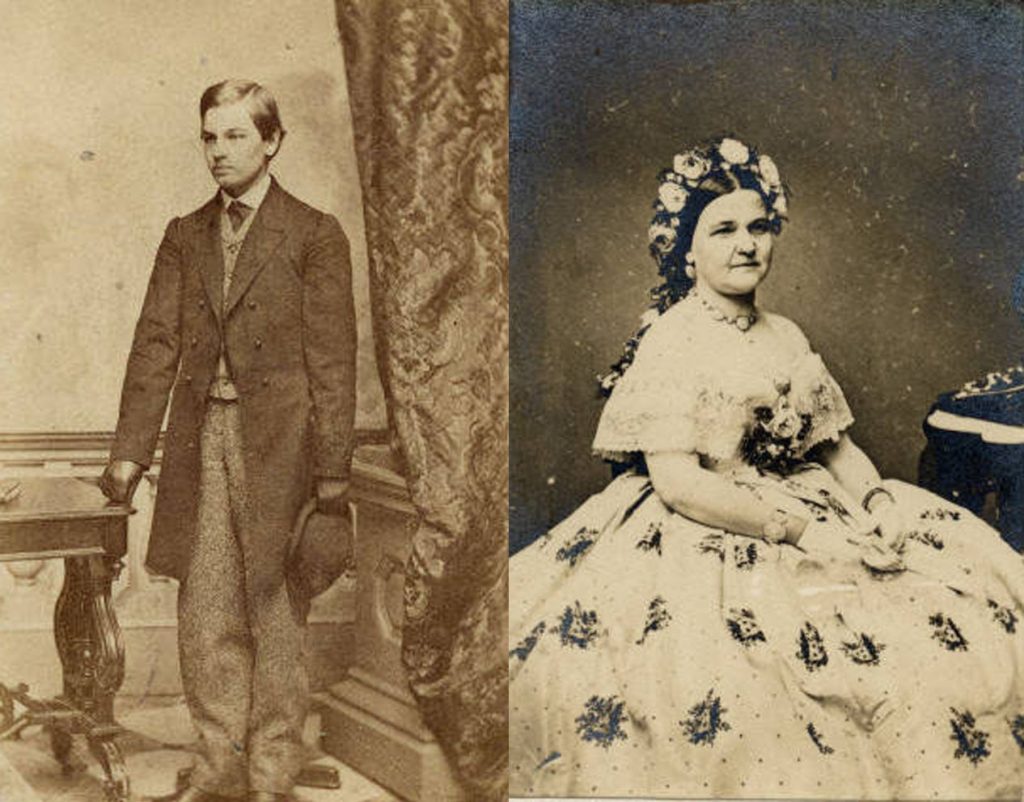
Robert Lincoln Writes About The End of His Mother’s Estrangement
by Jason EmersonRobert T Lincoln LFA-0092; Mary Lincoln LFA-0496 One of the most common questions asked about the relationship between Mary Lincoln and her oldest son Robert is whether they ever reconciled after becoming estranged due to Mary’s commitment to Bellevue Place Sanitarium in 1875. The answer is yes, but it took five years. I have previously […]
Read More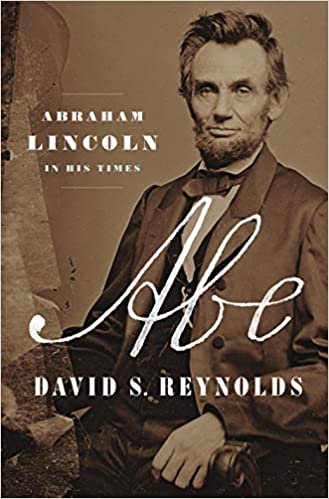
Interview with David S. Reynolds regarding his new book “Abe: Abraham Lincoln in His Time”
by David S. Reynolds, Sara GabbardSara Gabbard: You excel in putting historical figures into the context of their times. In terms of date of birth, Abraham Lincoln was born on the cusp between Enlightenment and Romanticism. Were there traces of both in his life? David Reynolds: He was shaped by both movements. From the Enlightenment, he derived his interest in […]
Read More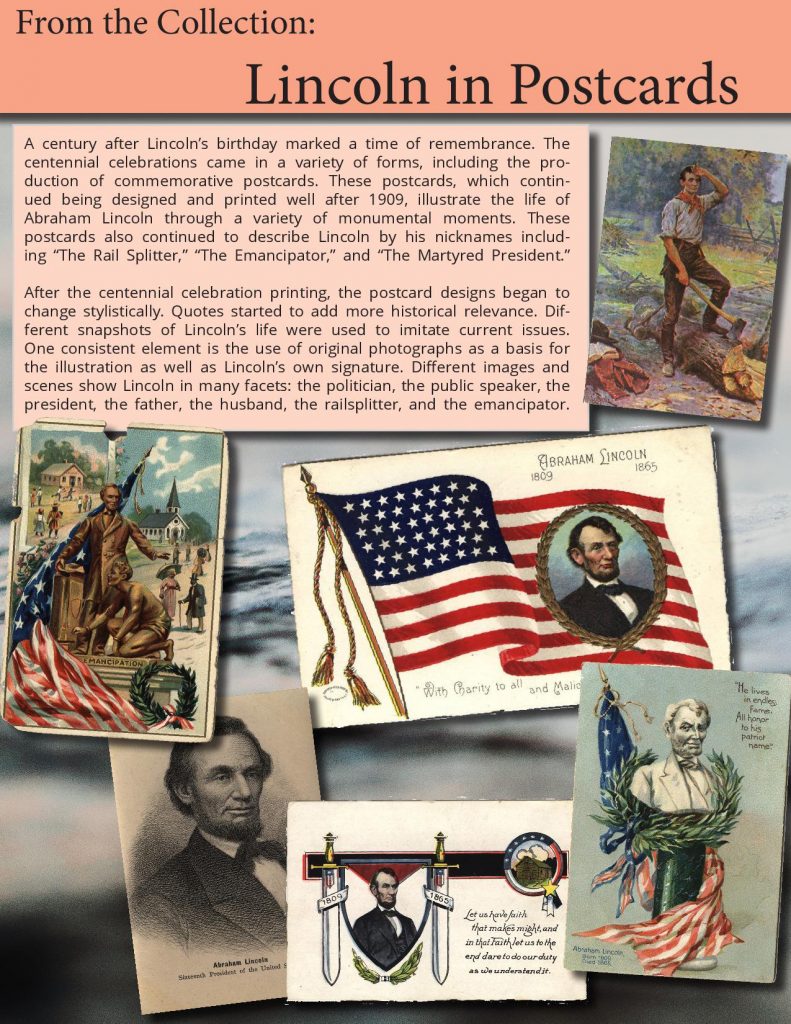
From the Collection: Lincoln in Postcards
by Emily Rapoza, Megan HeimannSummer 2020-pages-14-15
Read More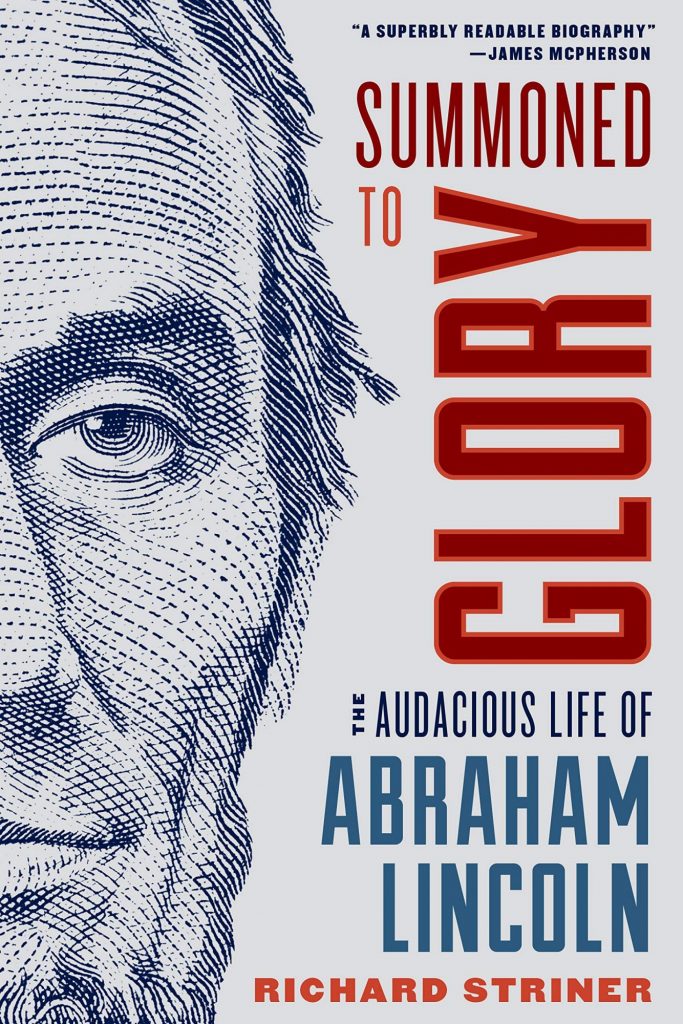
An Interview with Richard Striner
by Richard Striner, Sara GabbardAn Interview with Richard Striner regarding His New Book: Summoned to Glory: The Audacious Life of Abraham Lincoln (Rowman & Littlefield, 2020) Sara Gabbard: The obvious first question should be about your use of the word Audacious in the title. When did you first realize that this word represented the conclusions of your study? Richard […]
Read More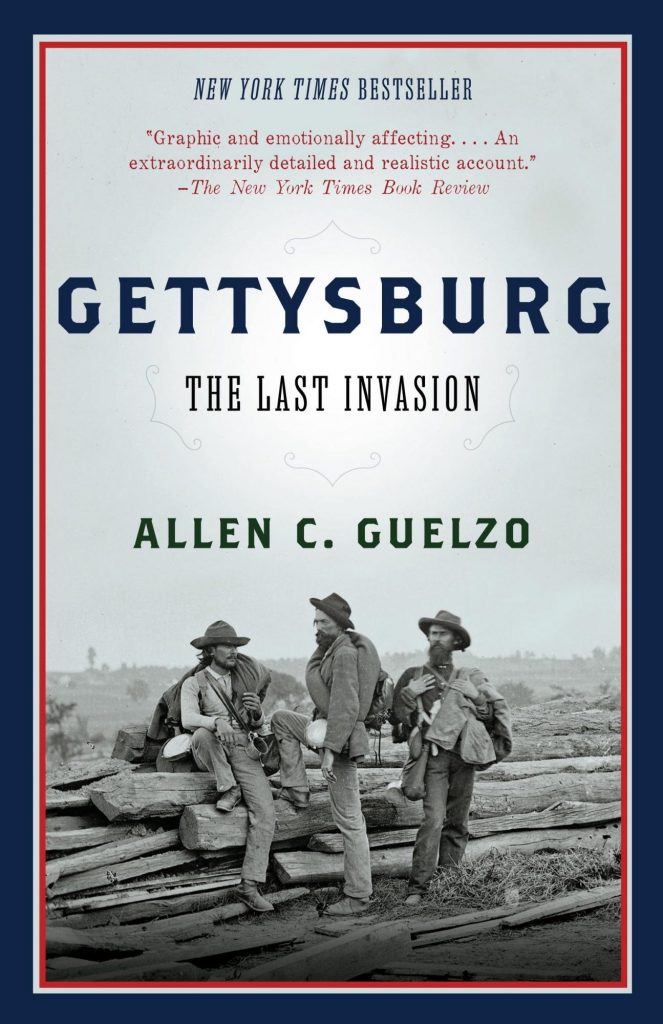
An Interview with Allen Guelzo
by Allen C. Guelzo, Sara GabbardSara Gabbard: When you are “on the road” lecturing about Lincoln and the Civil War, what questions do members of the audience ask most frequently? Do responses from your students reflect the same interests? Allen Guelzo: Far and away, the most-frequently-asked question I encounter from audiences is, “Would things have been different if Lincoln had […]
Read More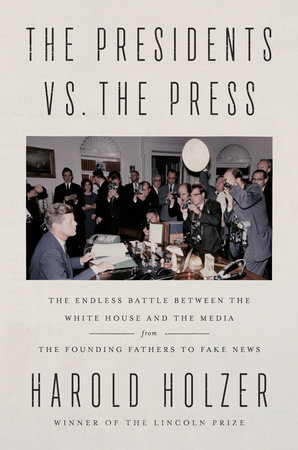
An Interview with Harold Holzer Regarding His New Book The Presidents vs. the Press
by Harold Holzer, Sara GabbardSara Gabbard: When in relationship to the timing of writing your marvelous Lincoln and the Power of the Press did you decide to write a book which would explore “the Endless Battle between the White House and the Media from the Founding Fathers to Fake News? Harold Holzer: The idea first struck me during the […]
Read More
Lincoln, The Founders, and the Rights of Human Nature
by Lucas E. MorelIf they had bumper stickers for carriages back in Lincoln’s day, his would say: “I ❤ the American Founding.” It’s true that one can see the influences of the Bible, Shakespeare, and later political examples like John Quincy Adams, Daniel Webster, and Henry Clay in Lincoln’s speeches. But there was no greater influence on Abraham […]
Read More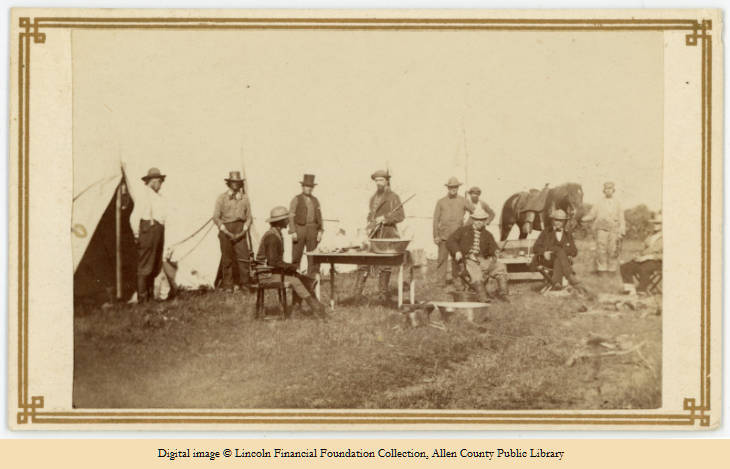
“Letters from the Front” by John Truex, Company D, 82nd Regiment, Indiana Volunteers
by John Truex & Vicky Truex GeislerAugust 27, 1862 (Camp Emerson) “Dear Wife” This letter was apparently written shortly after his arrival at Camp Emerson because he comments: “We have not drawed our clothes yet.” At this early date, the ugly reality of war has not yet dawned: “We are enjoying ourselves very well, getting as much to eat as soldiers […]
Read More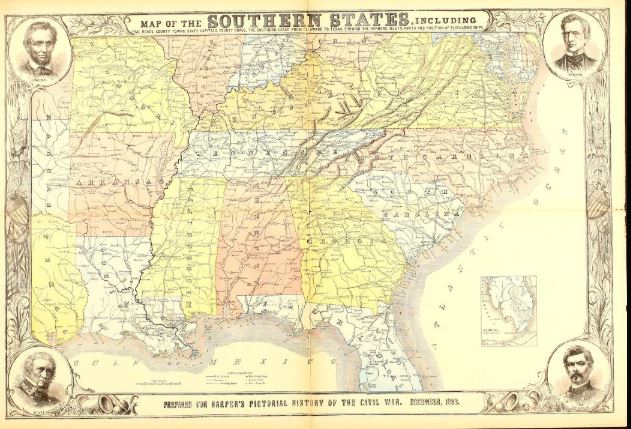
Reconstruction: What Went Wrong?
by Frank J. WilliamsBy Hon. Frank J. Williams Winning on the battlefield may be relatively “easy” compared to winning the peace afterward. Abraham Lincoln was a political genius in keeping together conservatives, moderates and Radicals during the American Civil War, especially after he found generals who could win battles. But things change and the longer that time passes, […]
Read More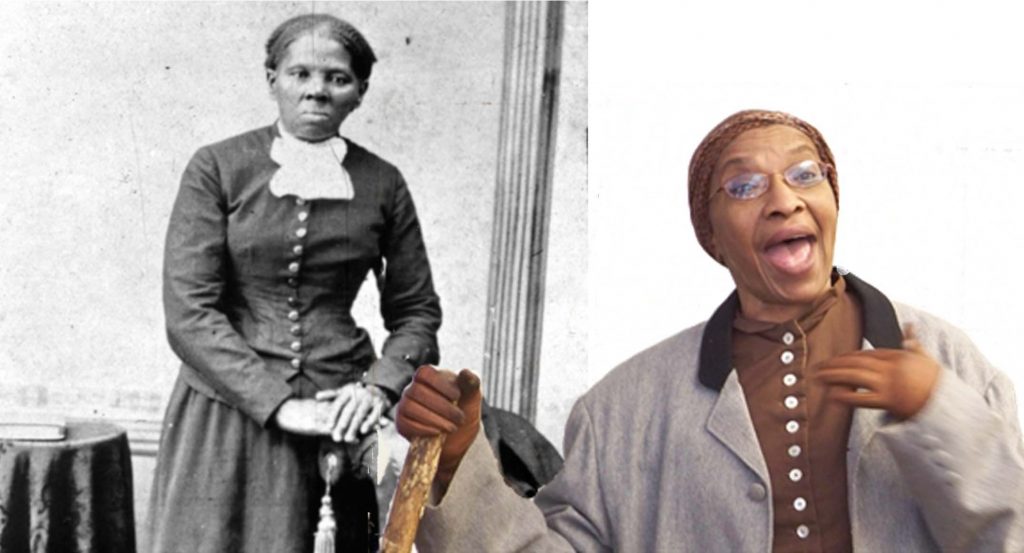
An interview with Kathryn Harris Regarding Her Portrayal of Harriet Tubman
by Kathryn Harris, Sara GabbardSara Gabbard: Your first person portrayal of Harriet Tubman is in a class by itself. What led you to this method of presentation? Kathryn Harris: I have found that audiences remember more content or information from a first person presentation than from reading or seeing a video. There is the opportunity to interact with the […]
Read More